
 |
 |
 |
 |
|
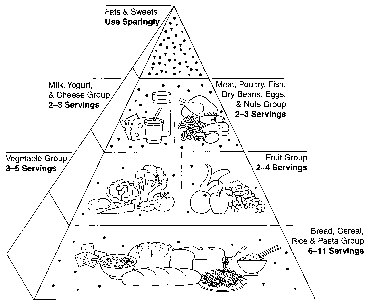
ArticlesNutrition During LactationA Guide to Daily Food Choices for Breastfeeding Mothers The Food Guide Pyramid is based on research by the United States Department of Agriculture (USDA), and outlines the major food groups—and how many servings of each you should eat per day to get the vital nutrients you need. These recommendations are for all individuals; breastfeeding women only need to increase their servings from the "Milk, Yogurt and Cheese" group to at least three servings per day. If you do not eat dairy products, speak to your doctor about absorbable forms of calcium. To optimize your health, obtain sufficient amounts of protein, vitamins, minerals and carbohydrates by eating at least the lowest number of servings from the five major food groups in the Food Guide Pyramid.
Liquids Talk to your doctor about what you should drink during lactation. In general, you should drink to satisfy your thirst while breastfeeding and, while eight eight-ounce glasses of water per day is typically recommended, paradoxically, too much water can inhibit let-down. Water is always a healthy choice, but here are some additional tips on consuming liquids:
Serving Size Guidelines To help you determine how much food equals one serving according to USDA recommendations, use the serving guidelines below: Bread, Cereal, Rice, Pasta: 1 slice of bread; 1 ounce of ready-to-eat cereal; 1/2 cup of cooked cereal, rice or pasta. Fruit: 1 medium apple, banana or orange; 1/2 cup of chopped, cooked or canned fruit; 3/4 cup of fruit juice. Vegetables: 1 cup of raw leafy vegetables; 1/2 cup of other vegetables, cooked or chopped raw; 3/4 cup of vegetable juice. Milk, Yogurt and Cheese: 1 cup of milk or yogurt; Meat, Poultry, Fish, Dry Beans, Eggs and Nuts: 2-3 ounces of cooked lean meat, poultry or fish; 1/2 cup of cooked dry beans; 1 egg; 2 tablespoons of peanut butter; 1/3 cup of nuts. This publication is for general informational purposes only and it is not intended to provide any reader with specific authority, advice or recommendations. Where you deem necessary, we suggest that you seek advice regarding your particular situation from the appropriate professional. Copyright© 2001, LifeCare®, Inc. |
 |


|
 |
 |
© 2017 LifeCare® Inc. Legal Information | Privacy Policy | Help Desk |